THE OLD SHAPE
4:3, from silent films to the box TV
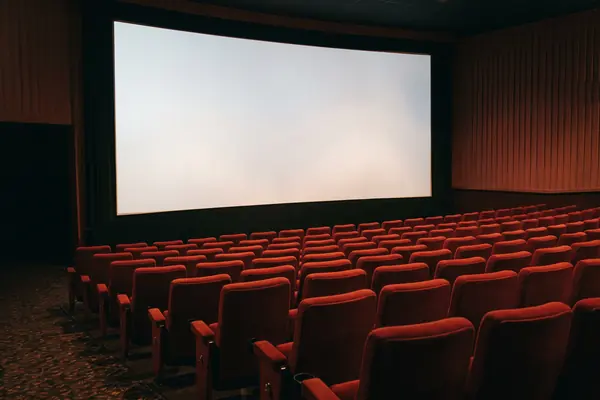
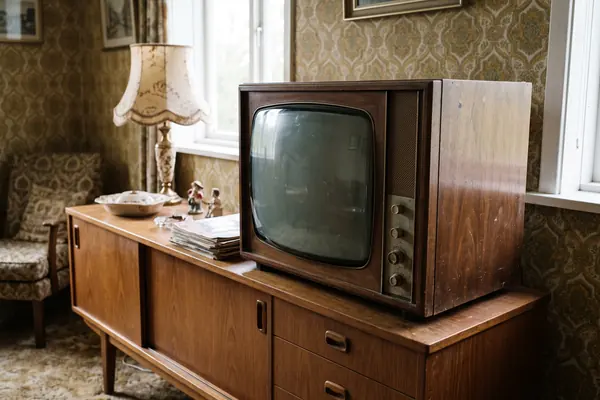
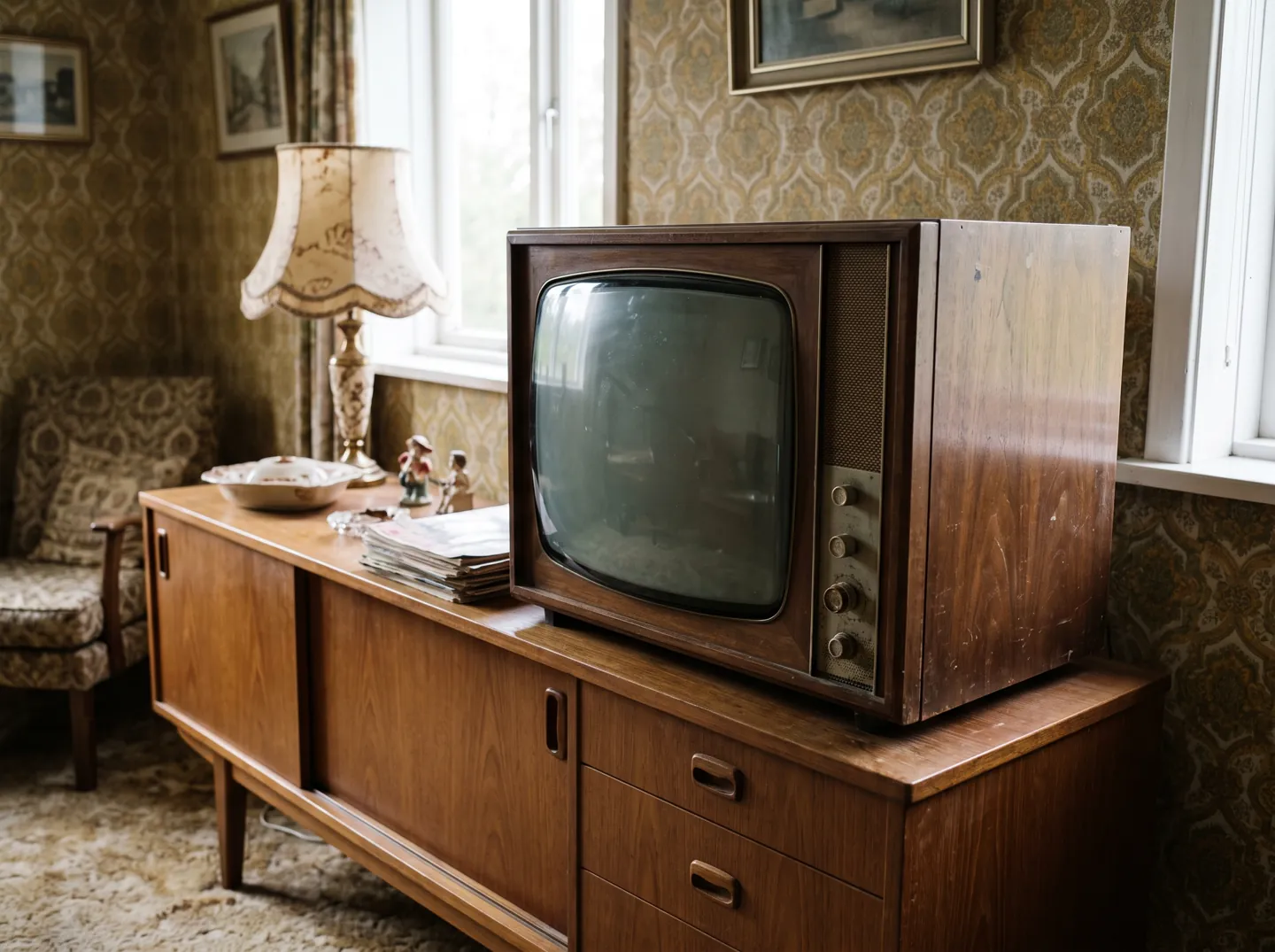
Silent films were fixed at 4:3 (1.33:1). Sound shrank the frame slightly to the Academy ratio of 1.37:1, and television kept the 4:3 shape.
Check a format screendoodler
SCREEN SHAPES, EXPLAINED
A picture's shape is just its width divided by its height.
Check a format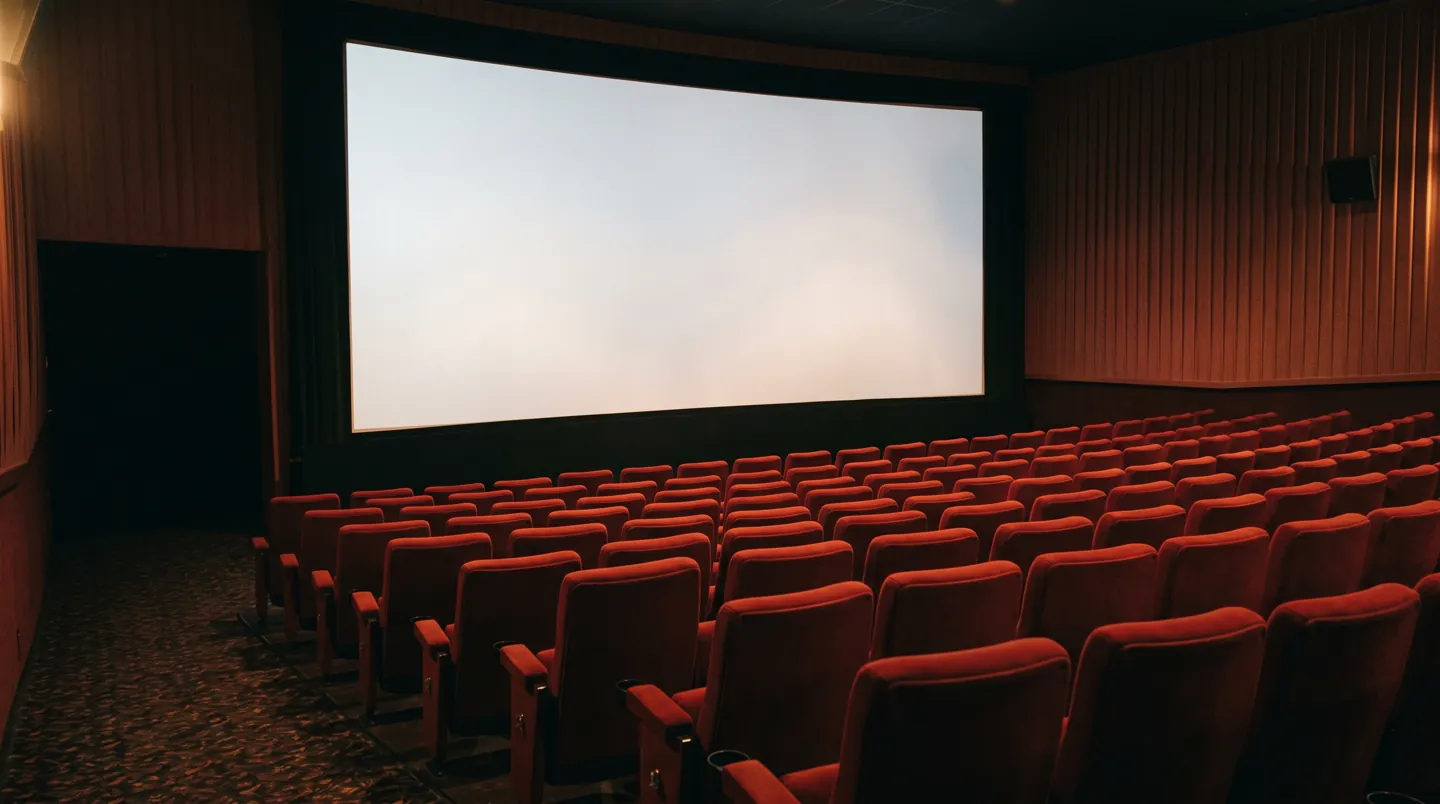
WIDTH ÷ HEIGHTthe whole story
Silent films were 4:3, televisions kept that shape for decades, and cinema went wide in the 1950s to win audiences back from TV. When a film's shape and your screen's shape differ, something has to give: black bars, or a crop.
At a glance
17.6% each side
A 2.39:1 film shown at 14:9
For a 4:3 television, the EBU's 14:9 compromise for a 2.39:1 film cuts 17.6% of the film image from each side, and still leaves black areas top and bottom.
OLD 4:3 TV · EBU R93
8.2% each side
A 2.39:1 film shown at 18:9
On a 16:9 television, the EBU's 18:9 (2:1) compromise for a 2.39:1 film cuts 8.2% of the film image from each side. Full letterboxing cuts nothing.
16:9 TV · EBU R93
TWO NUMBERS WORTH KNOWING
Two figures from the European Broadcasting Union
on fitting 2.39:1 films onto TV screens.
The same 1998 recommendation notes that old cathode ray tube sets typically cropped 5 to 10% of the picture through over-scanning, and that flat screens were not expected to.
A QUICK FORMAT CHECK
Pick a picture shape to see how it sits on a standard widescreen TV. The bar shows how far the shape is from the screen's own 16:9.
Ratios from the National Film and Sound Archive of Australia and EBU Technical Recommendation R93. Many films use other ratios too.
THE SHORT ANSWER
Films and screens were made in different shapes.
The bars show the whole frame on a screen that does not match.
THE OLD SHAPE
Silent films were fixed at 4:3 (1.33:1). Sound shrank the frame slightly to the Academy ratio of 1.37:1, and television kept the 4:3 shape.
Check a formatCINEMA GOES WIDE
Facing TV in the 1950s, cinema went wide: Cinerama in 1952, then CinemaScope in 1953, which squeezed a wide picture onto ordinary 35 mm film.
See the numbersAT HOME
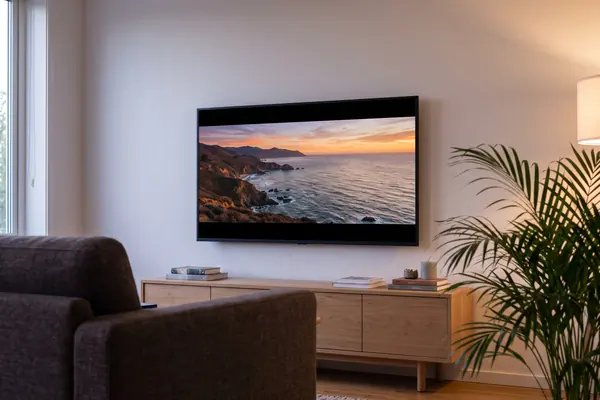
A wide film on a TV can be letterboxed, with black areas top and bottom, or shown full screen with its sides cut off. Broadcasters also use compromises in between.
What to look for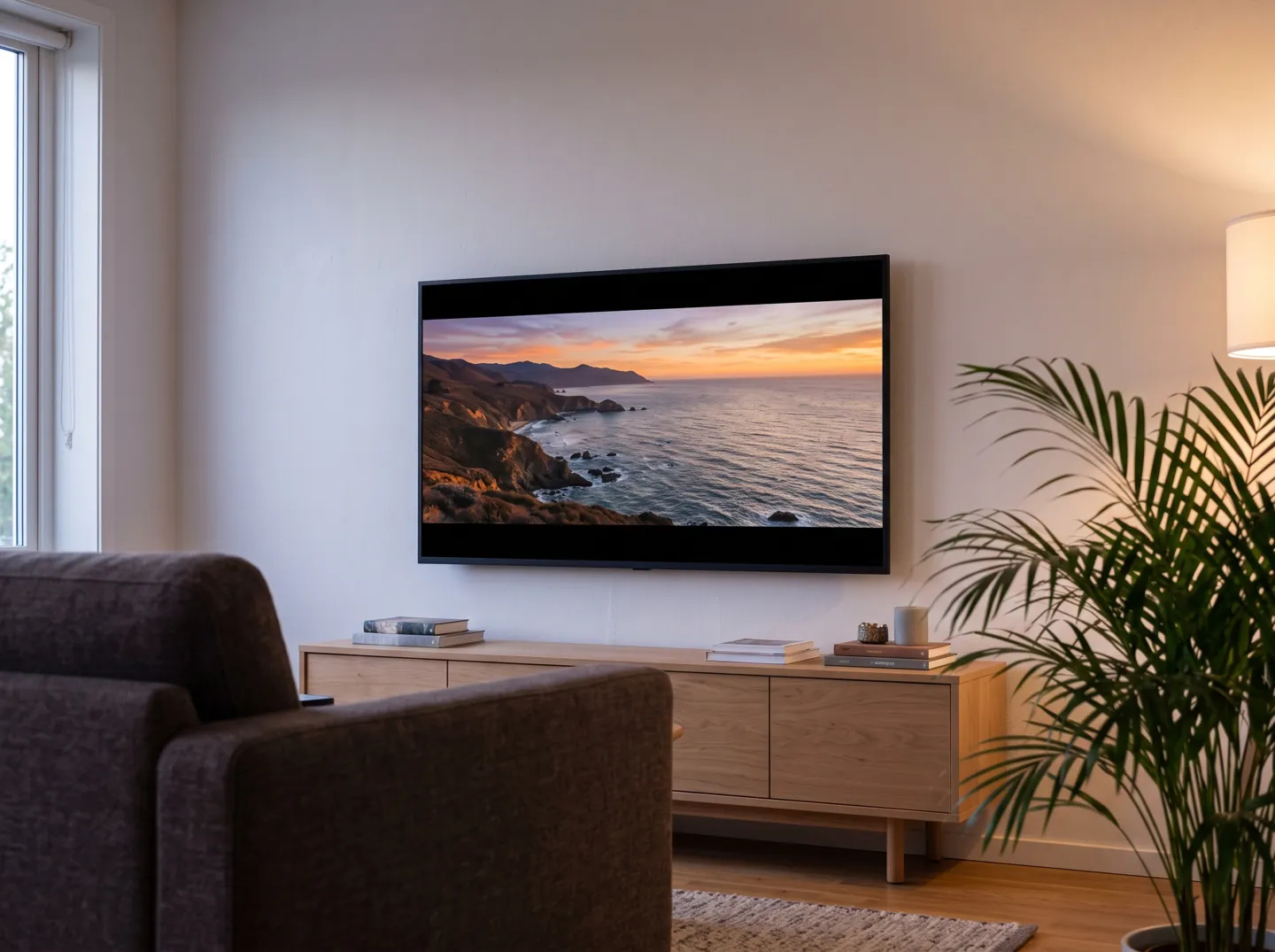
FOUR THINGS TO KNOW
None of this needs special kit. It is about knowing which shape a film was made in and what your screen has to do to show it.
Ratios are written width to height: 4:3, 16:9, or as one number such as 1.85:1 or 2.39:1. Bigger numbers mean wider pictures.
Letterbox shows the film in its intended shape and leaves black areas at the top and bottom of a screen that is less wide.
Filling the TV with a wide film shows its full height but cuts image area from each side.
Archives call the shape a filmmaker intended the original aspect ratio, and try to show films as close to it as they can.
THE WIDEST SCREEN
Cinerama, launched in 1952, used three synchronised 35 mm projectors on a 146° curved screen. It made its UK debut in September 1954 at the Casino Cinerama Theatre in London, but its cost kept it to a handful of theatres.
CinemaScope in 1953 and Todd-AO in 1955 needed only one projector, and widescreen spread. The last film shot in true 3-strip Cinerama was How the West Was Won in 1963. Pictureville Cinema in Bradford is now the only public venue in the world that can screen it.
Questions
The film is a different shape from your screen. Letterboxing shows the whole picture in its intended shape and leaves black areas at the top and bottom of the screen.
It means the picture is 16 units wide for every 9 high, about 1.78:1. It is the standard aspect ratio for widescreen and high definition television.
Silent films were fixed at 4:3 (1.33:1). Sound films used the Academy ratio of 1.37:1, roughly 4:3, and television kept the 4:3 shape when it arrived.
CinemaScope used an anamorphic camera lens to squeeze a wide image onto a 35 mm frame, and a similar lens on the projector to stretch it back. Its films are 2.35:1, or 2.39:1 after 1970.
The Robe, in 1953, was the first film released in CinemaScope. Lady and the Tramp, in 1955, was the first animation to use the process.
Sources
ABOUT THIS NAME
screendoodler.com is part of the DoodleSale portfolio. It isn't in an auction right now, but you can ask about leasing it.